Amid the raging controversy over India’s E20 ethanol-blended petrol policy, the BJP on Thursday asserted that the policy was initiated by the Congress-led UPA government and formally notified through the Gazette of India in January 2013.
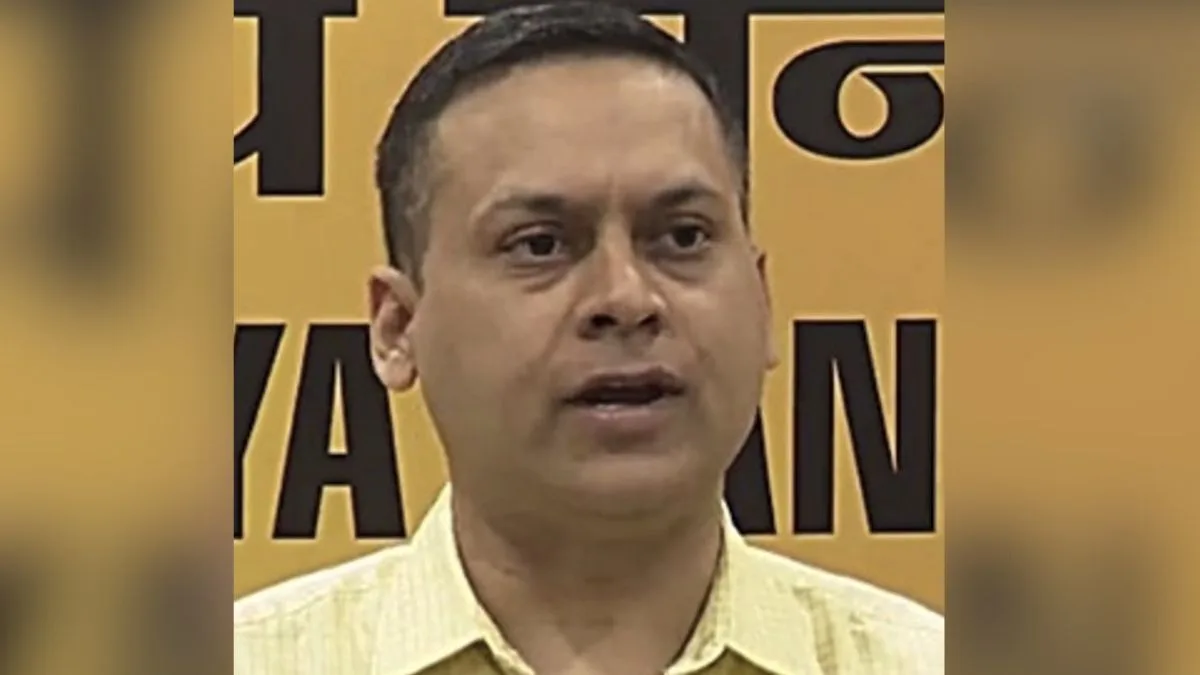
BJP IT department head Amit Malviya shared the Gazette notification and a Press Information Bureau (PIB) statement on social media, arguing that the decision to introduce E10—10% ethanol blending in petrol—was approved by the Union Cabinet in 2007 during the UPA regime, with implementation targeted for October 2008.
Advertisement
“One can debate the pace of execution or acknowledge the significant acceleration achieved in recent years. But the origins and evolution of the ethanol blending policy are a matter of public record,” Malviya said. He added that while the current government has significantly expanded the programme, public debate should be based on facts rather than “selective narratives.”
Advertisement
The government reportedly told the Supreme Court recently that India’s 20% ethanol blending programme in petrol is still an ongoing experiment and that the impact of the policy is expected to become clearer by next year.
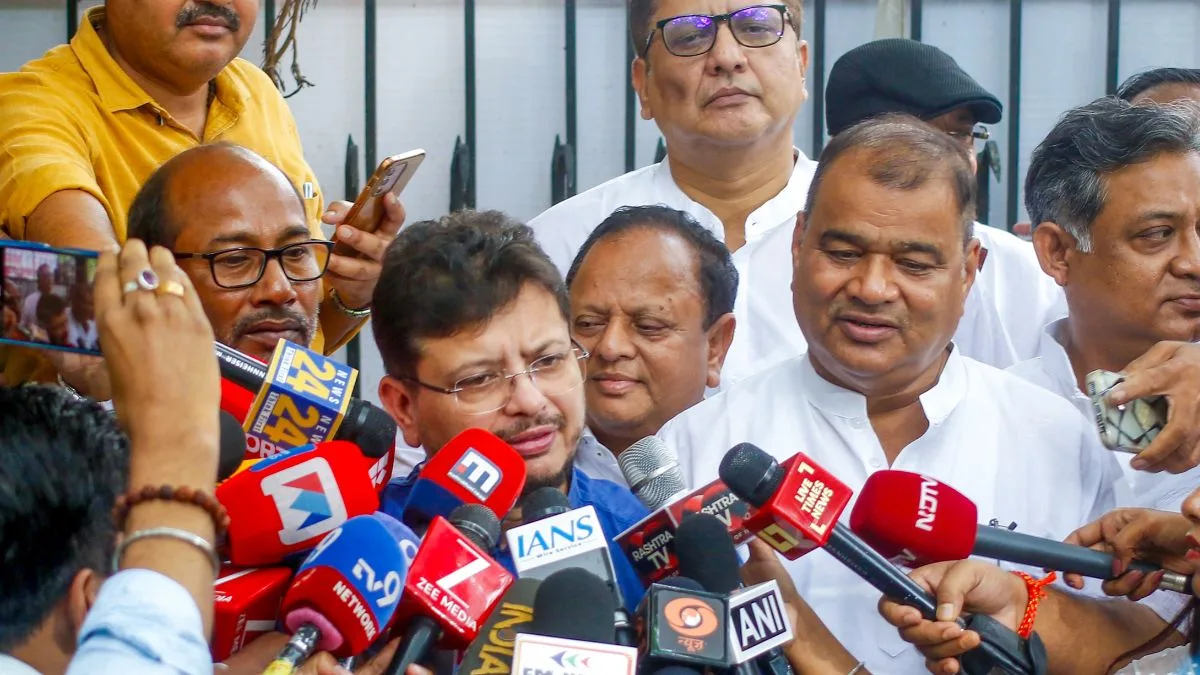
The reported submission triggered criticism from Congress leaders, including Karnataka Minister Priyank Kharge, who targeted Union Road Transport and Highways Minister Nitin Gadkari over the rollout of E20 fuel. Congress has been accusing Gadkari of “aggressively lobbying” for the policy while alleging a conflict of interest, claiming that the minister’s two sons are major ethanol suppliers.
Quoting media reports on the Centre’s submission before the Supreme Court, Kharge contrasted it with Gadkari’s recent public defence of E20. “A few days ago, Shri Nitin Gadkari confidently asserted, ‘Show me one vehicle anywhere in the world that has had problems because of E20 petrol.’ Today, the central government told the Supreme Court that ‘ethanol blending is an experiment, and the results will come by next year,’” Kharge posted.
However, according to Malviya, “a pilot project was launched in 2001, the programme was formally announced in 2004, E5 (5% ethanol blending) was rolled out across several states by 2006, and the policy framework was notified in the Gazette of India in January 2013.”
E20 fuel, a blend of 80% petrol and 20% ethanol, aims to reduce crude oil imports, lower carbon emissions, and provide additional income to sugarcane farmers supplying ethanol.
Since its nationwide rollout in 2023, E20 has gradually replaced E5 and E10 at most fuel stations.
While vehicles manufactured after April 2023 are designed to run on E20, older vehicles may experience engine knocking, corrosion, and lower fuel efficiency, say experts
Industry experts maintain that E20 poses no safety risk, and controlled studies indicate only a 2-4% reduction in mileage. Climate experts, however, caution that ethanol blending may increase aldehyde emissions, encourage water-intensive sugarcane cultivation, and require significant investment in dedicated fuel storage infrastructure.
Advertisement